There is a word going around right now that we are all hearing. “Diversity” And rightfully so. There is a lot going on right now in the world that is bringing to light the injustices that black, indigenous, and people of color are facing every day. And in our organizations, it is important that we are intentional and pro-active in facing challenges in addressing diversity.
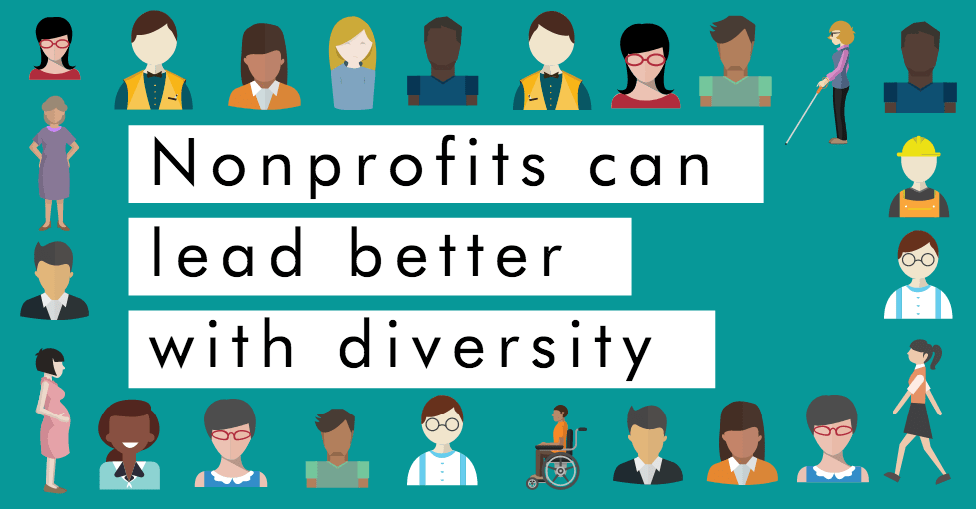
Diversity, by definition, is “the practice or quality of including or involving people from a range of different social and ethnic backgrounds and of different genders, sexual orientations, etc.” And, as much as I would like to, I can’t think of a better definition. So when we think about our organization and diversity, we need to think about its importance, how we can promote more diversity to leadership roles and our board of directors, and the role it plays in our public relations.
Diversity and public relations
It would be great for me to be able to say how there is this wonderful formula that could measure any benefits of how diversity will increase or compliment any marketing or communications you plan. But I don’t. I can tell you though, that transparency, honesty, and respect will mean a lot to the beneficiaries of your organization’s programs. It will also increase your organization’s reputation.
Promoting diversity in leadership
One of the ways your organization can promote diversity in leadership is by removing barriers. And by removing barriers I mean opening employment and board membership opportunities to those without formal education or strict formal education requirements. It won’t surprise you that I think we should invest in our employees too.
In 2014-2015, according to the National Center of Educational Standards 2017 publication The Condition of Education, the percentage of BIPOC to receive bachelor’s degrees in 2014-2015 was only 27%. If we decrease the required educational criteria, open ourselves up to someone self-taught, with a portfolio, and other independent educational endeavors – this will increase the number of BIPOC applicants.
At the highest levels of leadership, diversity also can be increased by hiring marginalized persons at the entry level and promoting from within. Additionally, investing into marginalized employees’ continuing education, professional training, and career advancing opportunities will also increase employee retention.
The importance of diversity
As an organization, we need to see how important diversity is. By creating a diverse workplace with a staff that includes what I would call marginalized groups (BIPOC, LGBTQ, and others) we increase value in each other. We open a narrative that may be foreign to us. We open new doors for creatives, new innovations, and new opportunities to embrace communities in ways they need. And most importantly, we can disprove stereotypes and empower individuals who are smart, capable, and deserving by providing them opportunities.
The beneficiaries of our organizations are diverse. So should be our leadership and our staff. There is no way that I can relate to someone going through a job search after being incarcerated. But I can hire someone that has. That person will provide insight into how a particular program could look like, develop relationships with clients, and speak in a way that clients feel respected, heard, and understood.
Training your staff in diversity
There are a lot of ways you can train your staff in diversity. One of the most effective ways is to create an environment that is safe for your employees to share experiences. During the 2020 AFP Virtual Convention, we had an opportunity to hear about the experiences of black women in fundraising. Their experiences and candid conversations were empowering and enlightening. Some organizations may also look into someone certified in Diversity, Equity, and Inclusion to provide insight and information. And, some organizations are looking into creating DEI committees that are responsible for creating and educating staff on issues and resolutions stemming from injustices that face marginalized people.
But there is one thing you don’t want to do. And, of course, The Office gives us that example.
Disclaimer: I am not a DEI professional. This blog is written based on what I have learned through webinars, personal experiences, and a virtual classroom. If there are any thoughts, comments, resources, etc that you feel could help nonprofit organizations and help promote and educated them with DEI please feel free to share them.
 Fundraising with Jenn